
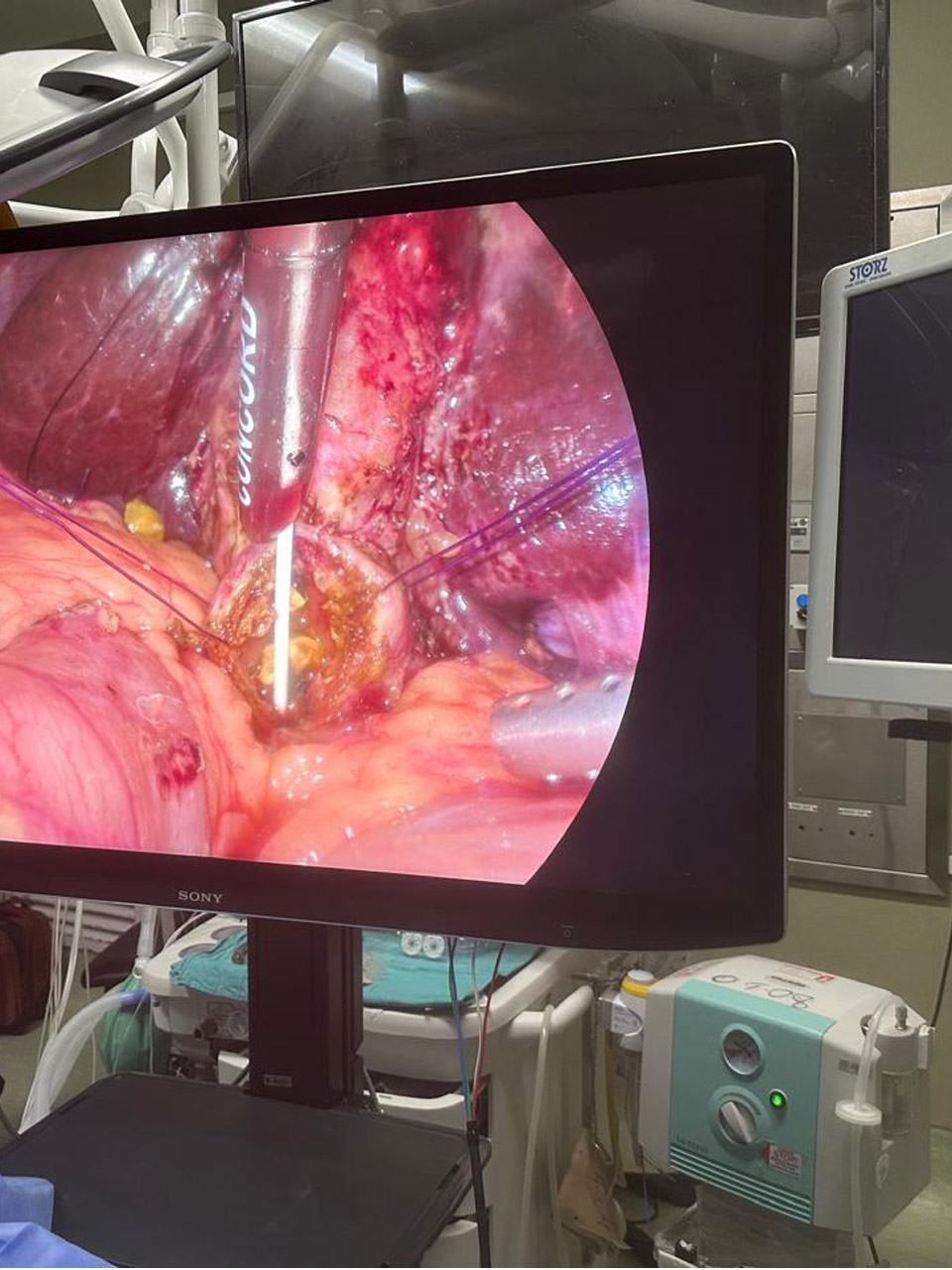
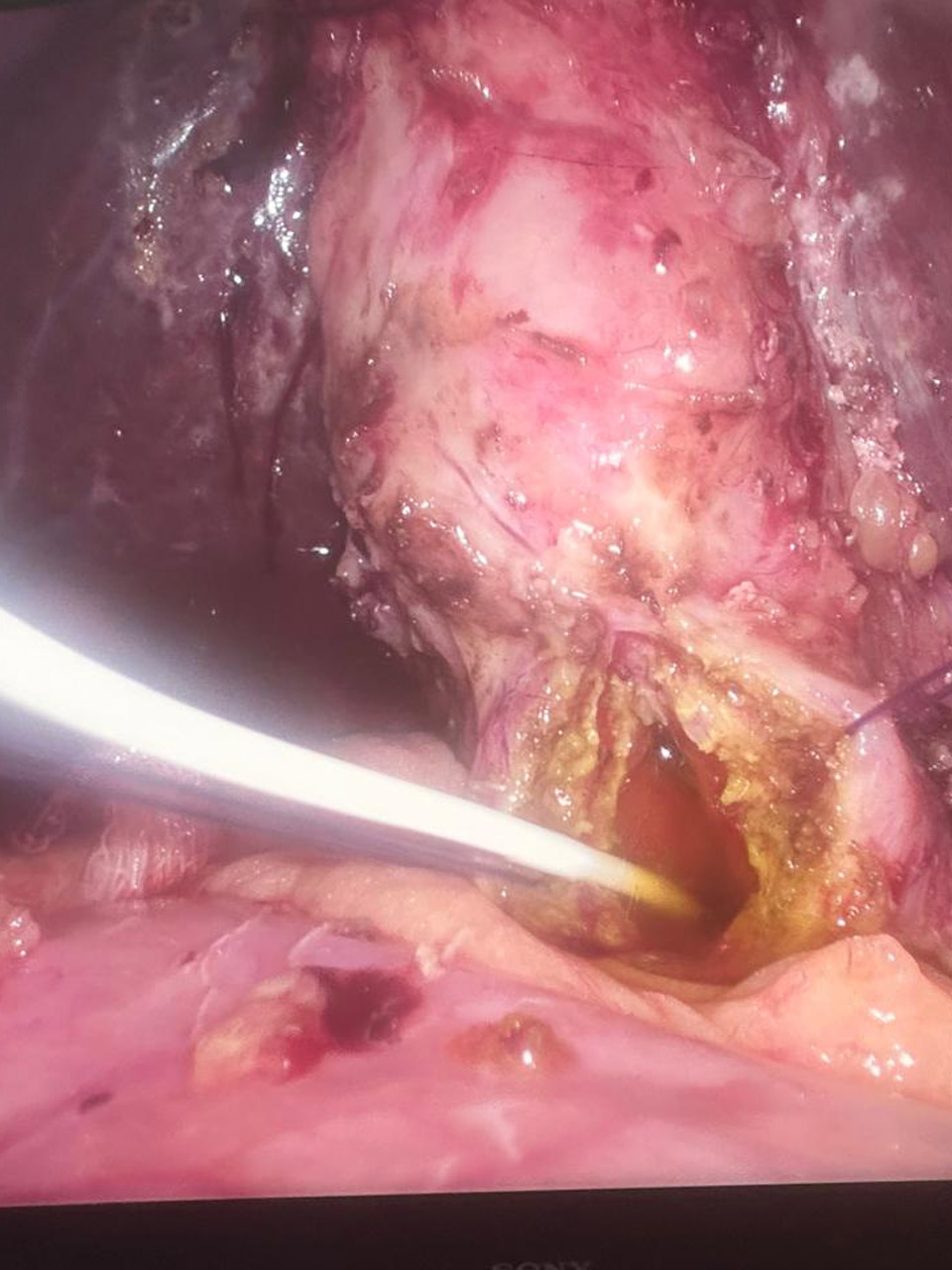
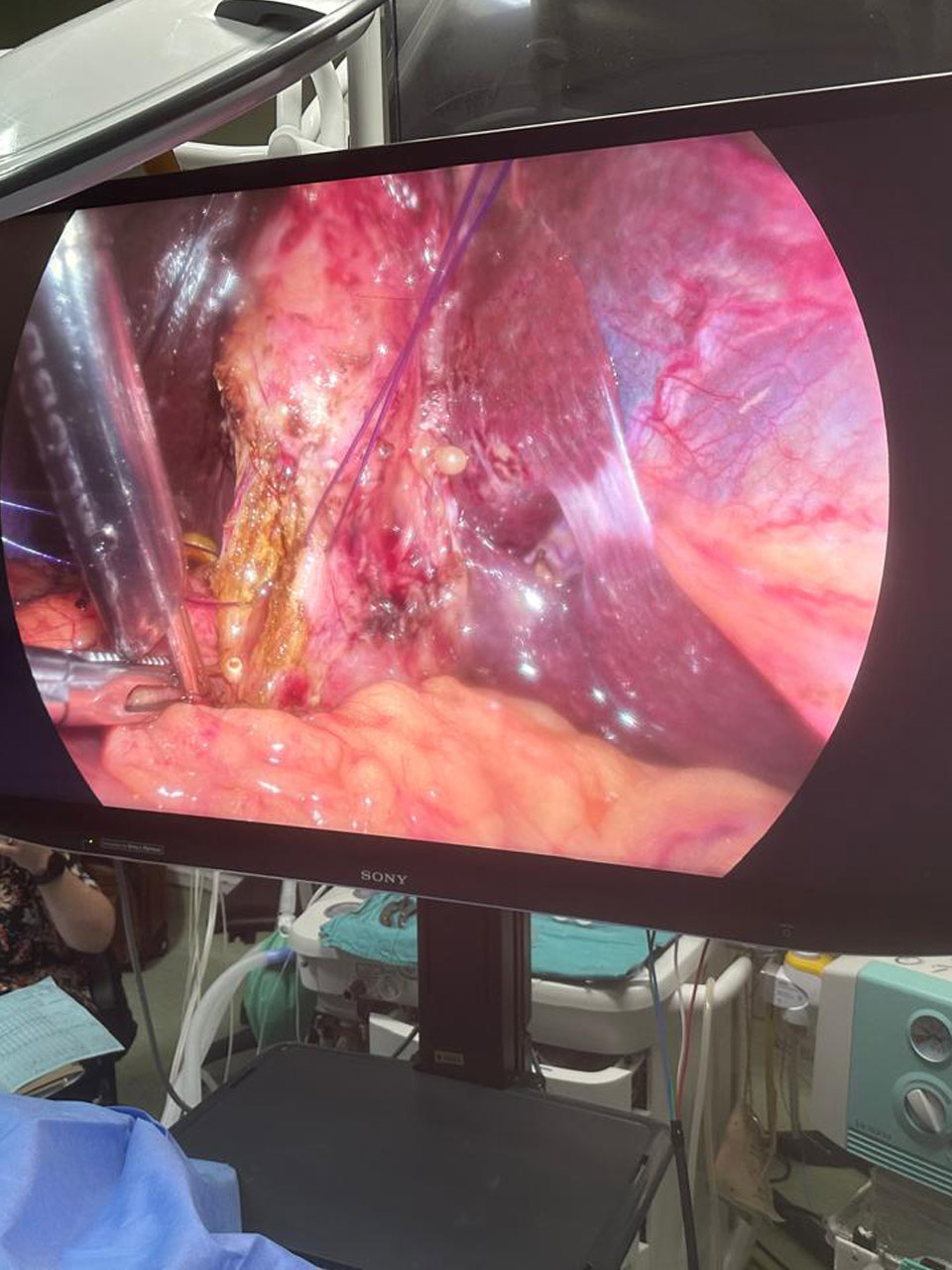
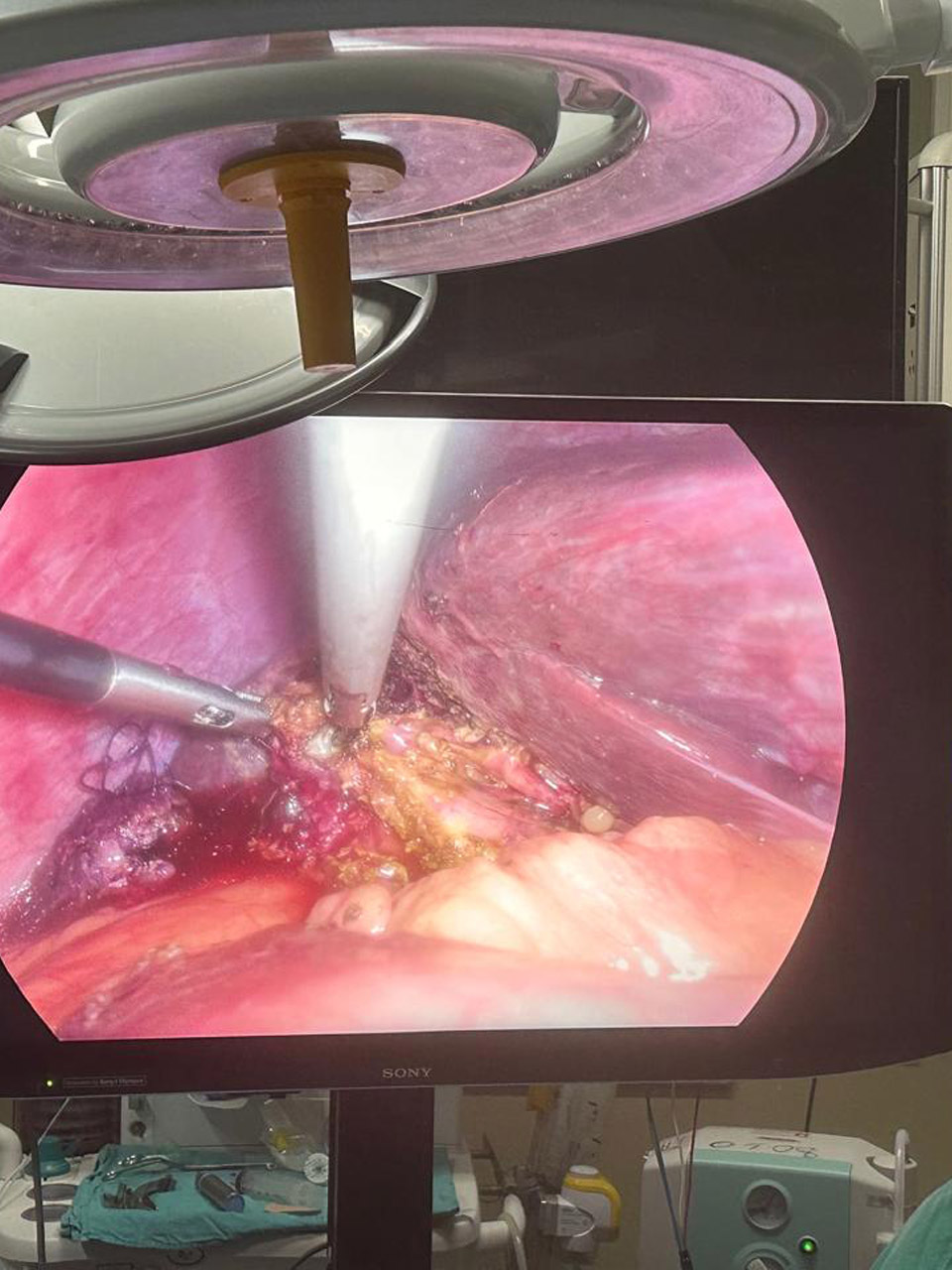
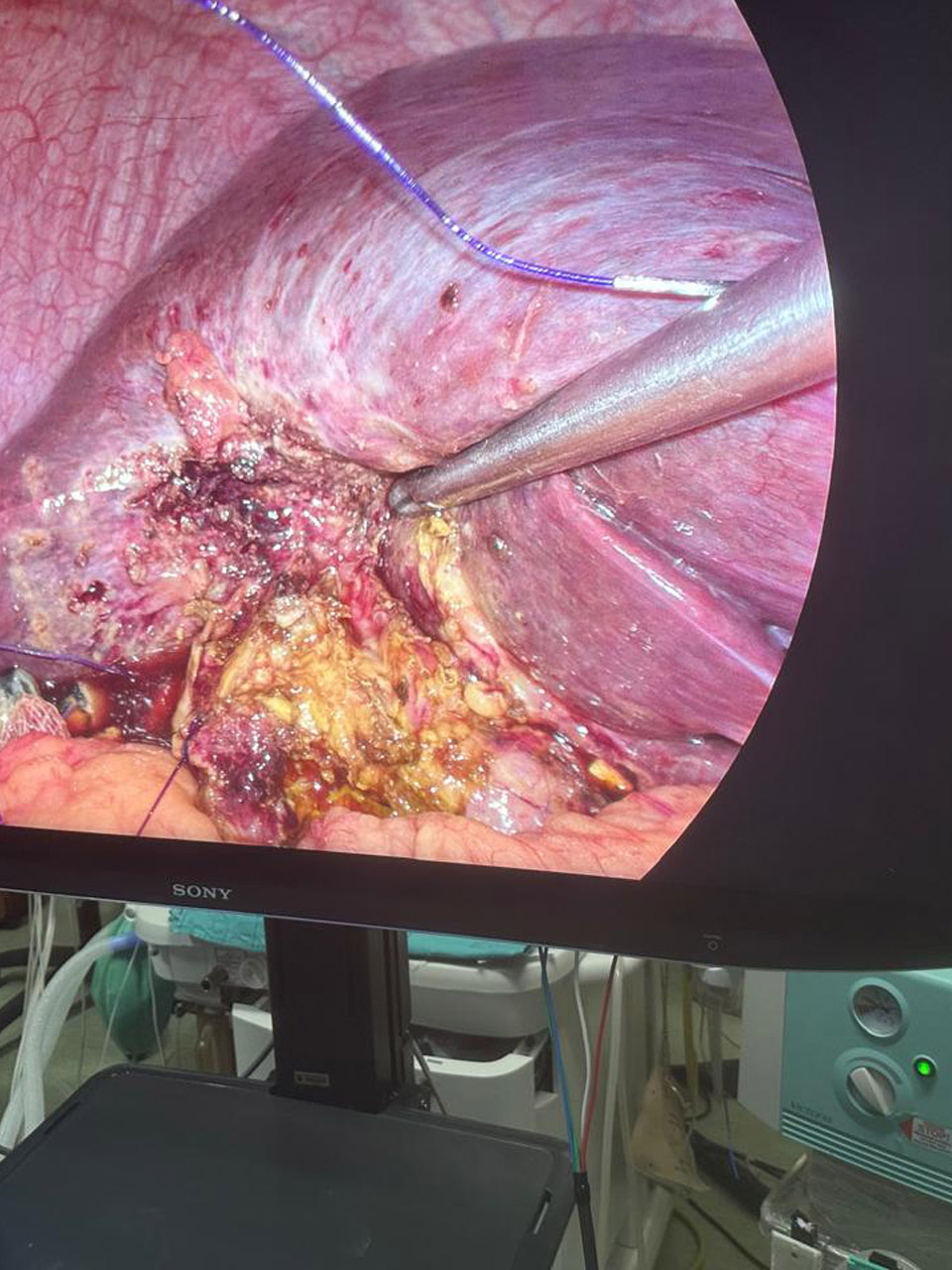
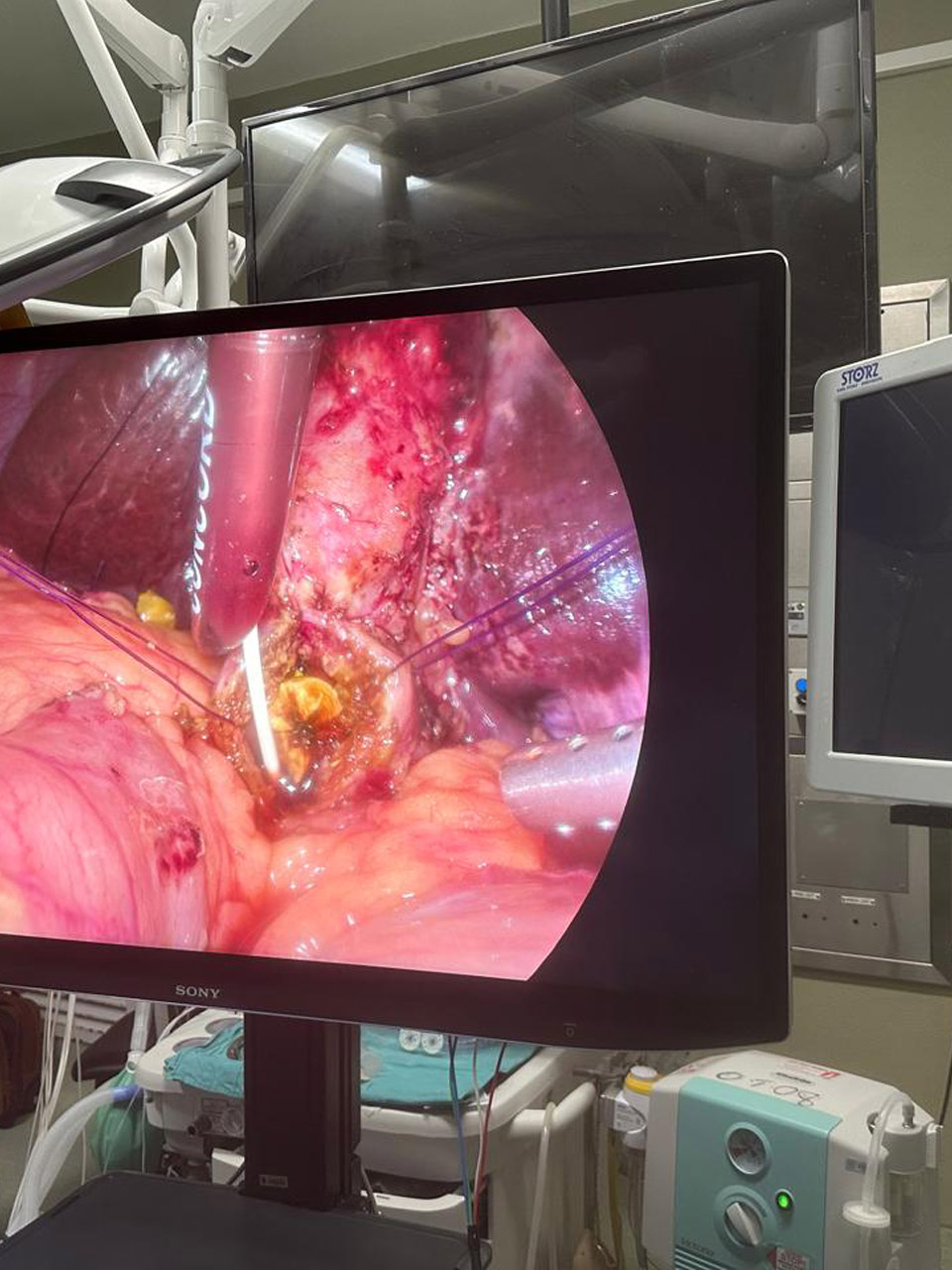
Common bile duct exploration is a procedure done to remove stones in the common bile duct, whether or not they are obstructing the flow of bile to the intestine. It is generally only required if endoscopic retrograde exploration fails. If one cannot remove the stones through the cystic duct and the main bile duct is extensively dilated, an incision is made in the common bile duct; it is examined with a Choledochoscope and stones are retrieved. The duct is then closed with fine sutures. If there are a large number of stones and one cannot be certain that all stones have been removed, it might be necessary to anastomose a loop of the small intestine to the opening in the bile duct.
The most serious complication of cholecystectomy is a bile duct injury. This can result in leakage of bile into the abdomen or obstructive jaundice. If a bile duct injury is suspected an MRI is required to establish whether there is an injury or not and if there is, to delineate the anatomy of the injury and whether there are associated injuries to the hepatic arteries and portal veins.


Copyright By Sardiwalla. All Rights Reserved. Designed and Developed by Seito Technologies
Whatsapp Chat
